Explain Different Types of Malicious Code
First Example of Malicious Code. Malicious code is unwanted files or programs that can cause harm to a computer or compromise data stored on a computer.
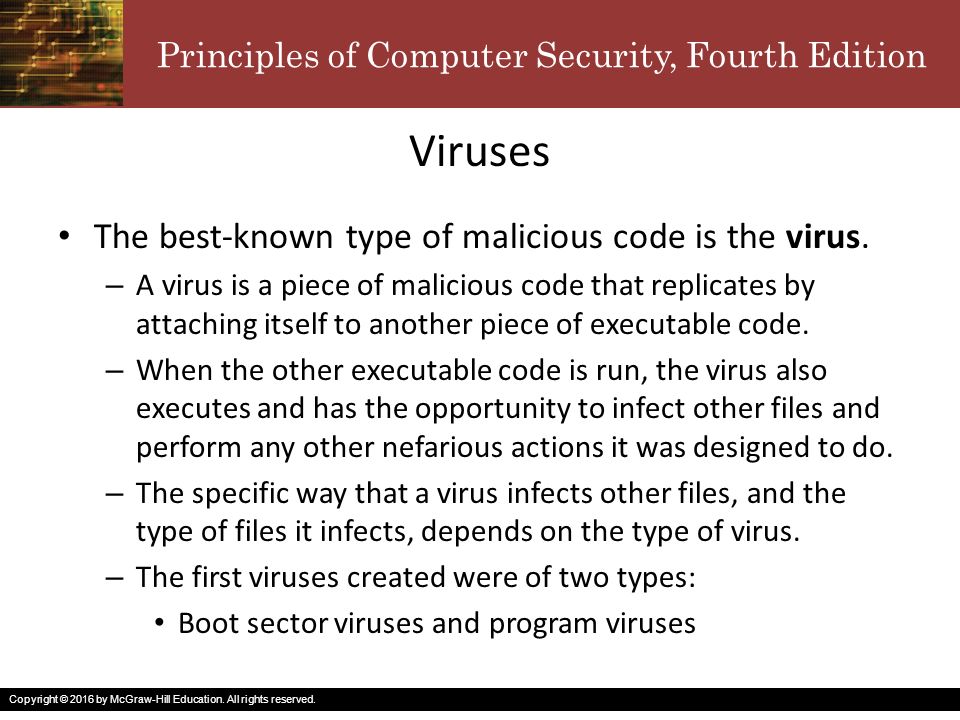
Types Of Attacks And Malicious Software Ppt Download
A computer virus is a piece of software that can infect a computer install itself and copy itself to other.
. Discuss and explain the various types of malicious code and how they work from BUSIENSS E-COMMERCE at University of Jordan. Other malicious codes simply trigger other codes to happen replicates other codes and allows other codes to enter. Industry studies have revealed that detection of malicious code often takes weeks or.
The techniques malware maker design to avoid detection and analysis of their malware by security systems. Worms are pieces of malicious code making copies of itself. Explain the key differences between viruses and other malicious codes.
Malicious code includes a variety of threats such. With malware usage continuing to rise its important to know what the common malware types are and what you can do to protect your network users and critical business data. A malware package that combines the characteristics of multiple kinds of the malicious program like Trojans viruses worms seeking to exploit more than one system vulnerability.
Worms Worms replicate themselves on the system attaching themselves to different files and looking for pathways. Malware regroups viruses spyware Trojans and all sorts of small programs designed to harm your system steal information track your activities etc. Up to 20 cash back Malware specifically refers to malicious software but malicious code includes website scripts that can exploit vulnerabilities in order to upload malware.
One of the earliest viruses is also one of the most intensively studied. Identify at least three different types of viruses and describe the main differences between each one. 7 Examples of Malicious Code 1 Computer Viruses.
Spyware Its purpose is to steal. Many malicious code types can harm your computer by finding entry points that lead to your precious data. Explain different types of malicious attacks.
Mobile Malicious Code - web documents often have server-supplied code associated with. Understanding the Six Most Common Types of Malware. As viruses worms Trojan horses ransomware and bot programs.
Viruses A Virus is a malicious executable code attached to another executable file. It is an auto-executable application that can activate itself and take on various forms including Java Applets ActiveX controls pushed content plug-ins scripting languages or other programming. The types of malicious code are.
The six most common types of malware are viruses worms Trojan Horses spyware adware and ransomware. Next explain both the potential threat posed by viruses and other malicious codes and their main effects on computers and productivityDiscuss the fundamental lesson s. Malicious code examples include backdoor attacks scripting attacks worms trojan horse and spyware.
Explain the key differences between viruses and other malicious codes. Once downloaded by unsuspecting users the Trojan can take control of victims systems for malicious purposes. Identify at least three 3 different types of viruses and describe the main differences between each one.
Next explain both the potential threat posed by viruses and other malicious codes and their main effects on computers and productivity. Demonstrate the tools and techniques used in an initial response. Among the ever-growing list here are some common culprits.
Various classifications of malicious code include viruses worms and Trojan horsesTrojan Horses are computer programs that are hiding a virus or a potentially damaging program. Viruses are self-replicating malicious code that attaches to macro-enabled programs to execute. Explain the different types of malicious code.
Different Virus Expressions Virus. A computer virus is a type of malicious application that executes and replicates itself by. A Trojan disguises itself as desirable code or software.
Up to 20 cash back Types of malicious code. Viruses often spread to other computers by attaching themselves to various programs and. The different types of Computer virus are Memory-Resident Virus Program File Virus Boot Sector Virus Stealth Virus Macro Virus and Email Virus.
The Brain the Internet worm the Code Red worm and web bugs. The virus spreads when an infected. Thus malware includes computer viruses worms Trojan horses and also Spyware programming that gathers information about a computer user without permission.
Two of the most common types of malware are viruses and worms. Trojans may hide in games apps or even software patches or they may be embedded in attachments included in phishing emails. The difference is that a worm operates independently of other files whereas a virus depends on a host program to.
A virus is a form of malware that is capable of copying itself and spreading to other computers. A common type of malicious code is the virus which is a little program attaching to other programs or files and will copy itself in a computer and even spread to other networked computers. Malware is the name that is given to any type of.
These types of programs can self-replicate and can spread copies of themselves which might even be modified copies. A virus is a computer program that can replicate or make copies of itself and spread to other files. The Brain Virus.
Types of Malware. Viruses can range in severity from simple programs that display a message or graphic as a joke to more malevolent code that will destroy files or reformat the. Evasion is another type of malware attack.
A computer worm is a kind of malicious program that replicates itself to spread to as many devices as. Malware is short for mal icious soft ware. To see how viruses and other types of malicious code operate we examine four types of malicious code that affected many users worldwide.
Viruses can range from being relatively harmless to causing significant damage to a system. Worms A worm is a malicious software which similar to that of a computer virus is a self-replicating program however in the case of worms it automatically executes itself. Each type of malicious code attack can wreak havoc on a defenseless IT infrastructure very quickly or wait on servers for a predetermined amount of time or a trigger to activate the attack.
Malicious Code Software programs having malicious intent which are designed to infiltrate and damage computers without the users are. To be classified as a virus or worm malware must have the ability to propagate. Explain the risk management and risk assessment.
The main difference between viruses and other malicious codes is the fact that viruses attach themselves to programs and propogates copies of itself. Given a scenario of a computer security incident determine the best course.

Malicious Code Malware Information Security Lesson 4 Of 12 Youtube
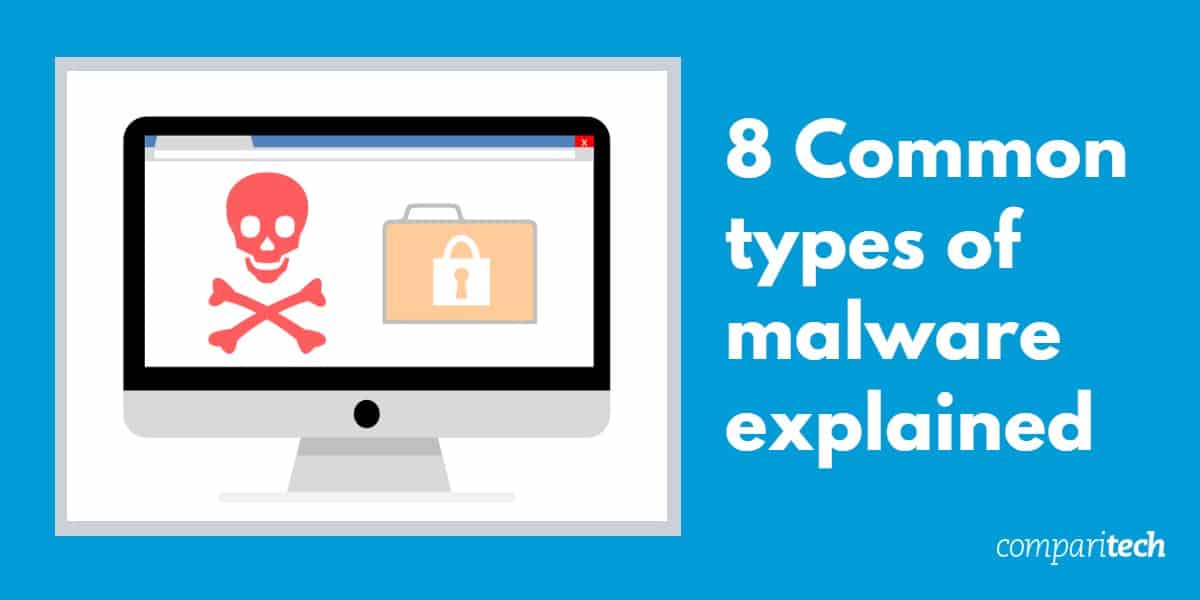
What Is Malware 8 Types Of Malware Attacks Explained

What Is Malware Definition Examples Types Video Lesson Transcript Study Com
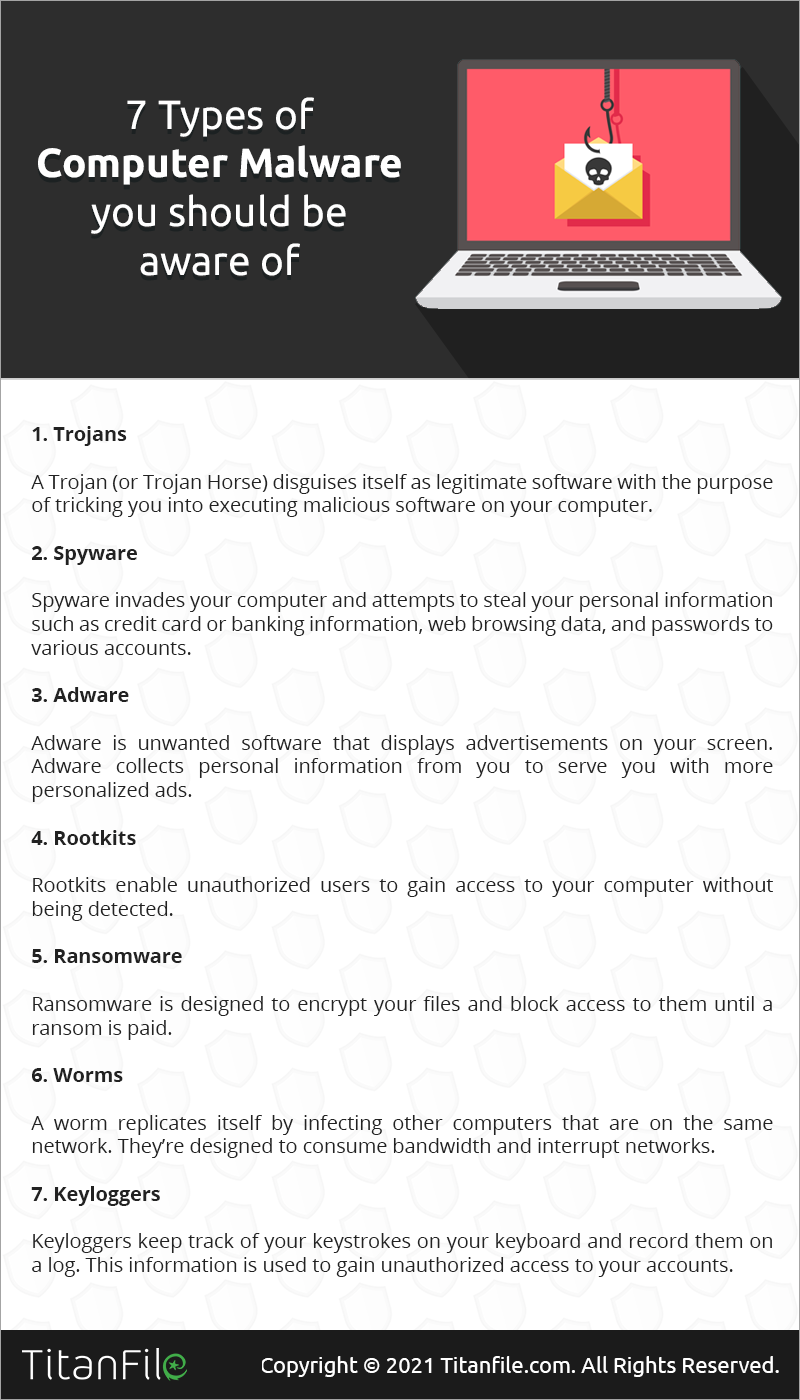
7 Types Of Computer Malware And How To Prevent Them In 2022 Titanfile

Types Of Threats Found Online Types Of Malware Threats You Need To Protect Against Cyber Security Awareness Computer Security Cyber Security Technology
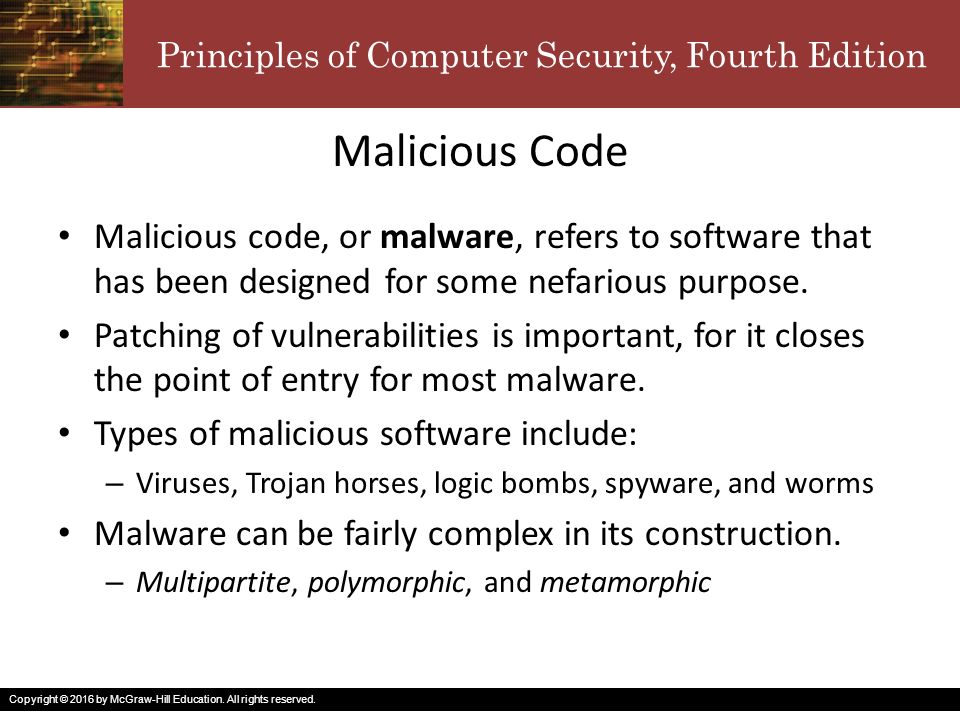
Types Of Attacks And Malicious Software Ppt Download
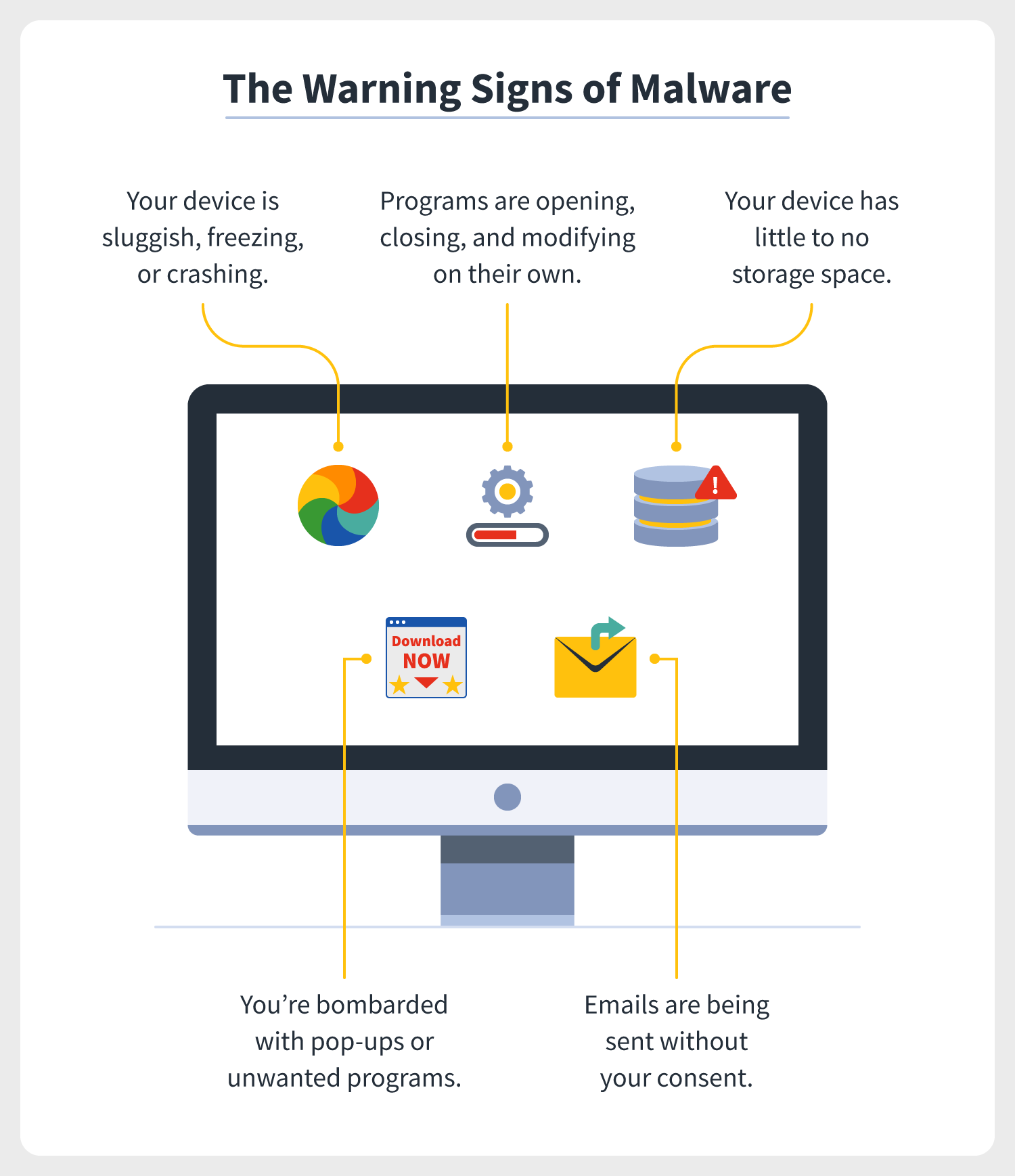
10 Types Of Malware How To Prevent Malware From The Start Norton

Discover Information About Different Types Of Malware On The Internet Pop Up Ads Malware Cyber Security
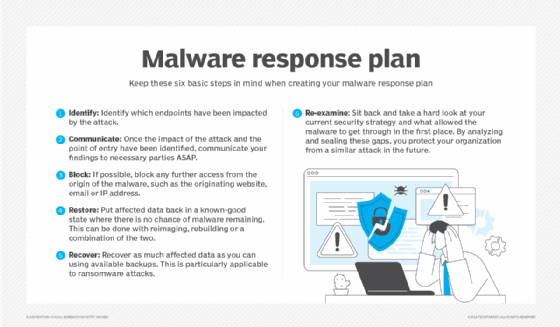
Learn It Malware Reference From Whatis Com
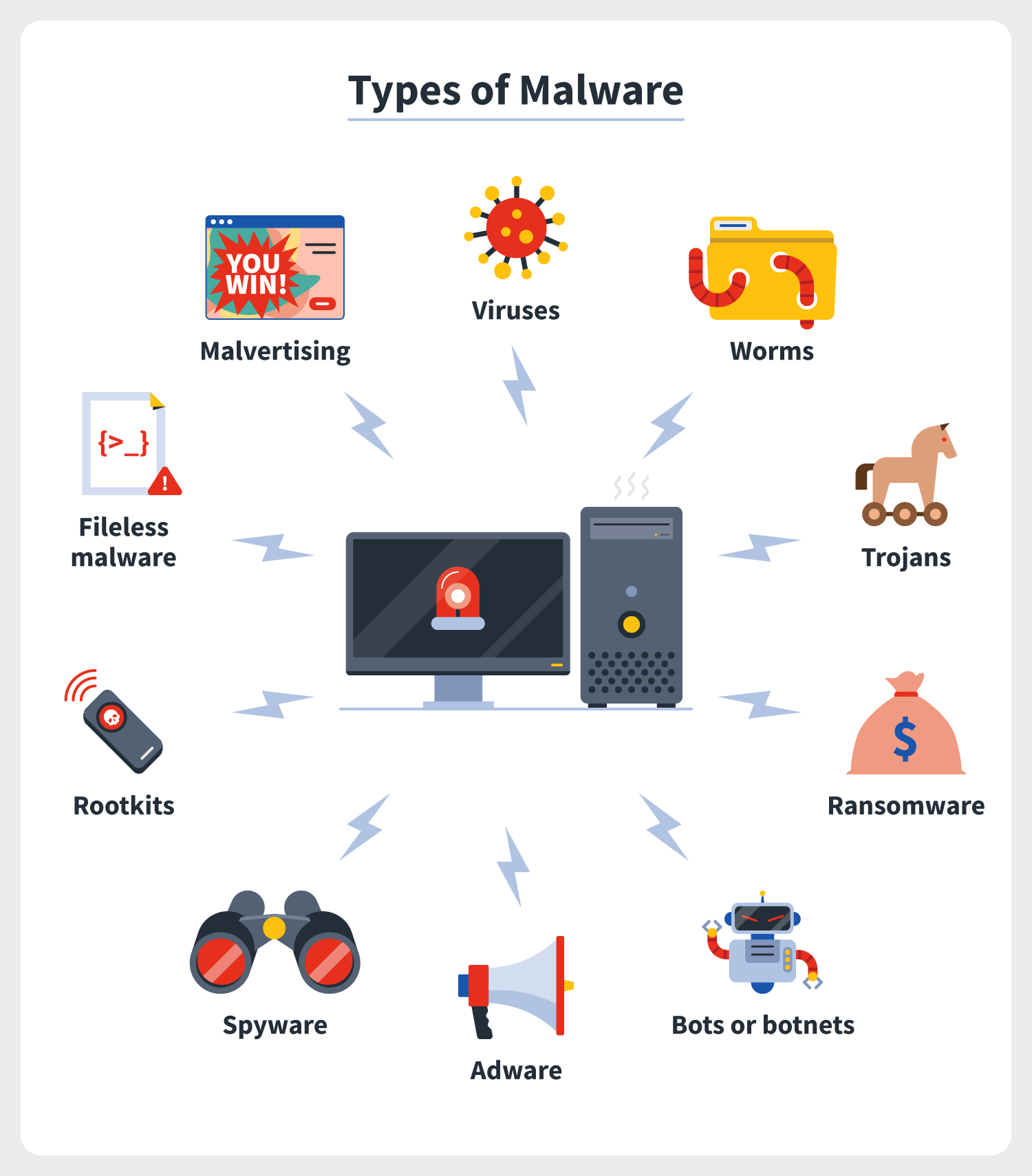
10 Types Of Malware How To Prevent Malware From The Start Norton

Trojan Horse Malware Example Cyber Threat Cyber Attack Cyber Security

Pin On Custom Designed Graphic
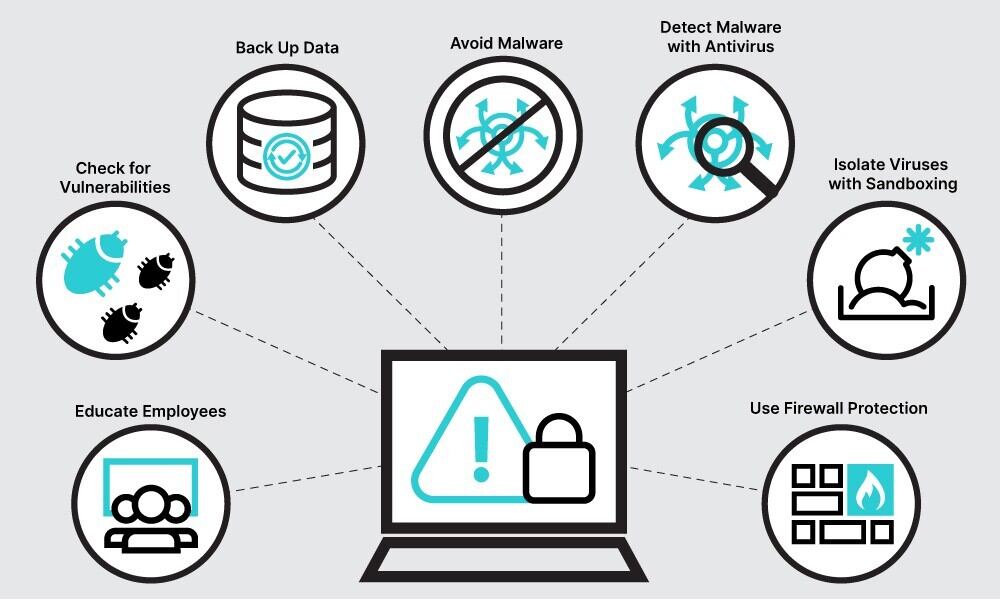
What Is Malware Types Of Malware Attacks Fortinet

Malware Malware Coding Malicious
7 Types Of Computer Malware And How To Prevent Them In 2022 Titanfile
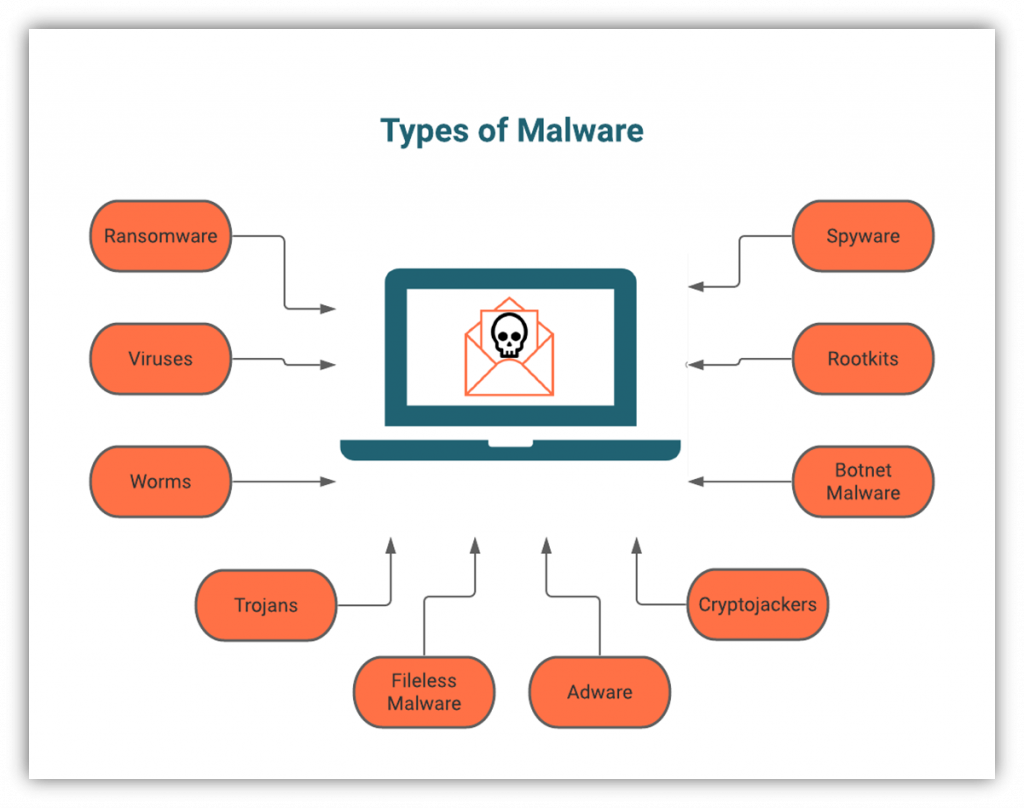
Malware Vs Virus A 4 Minute Explanation Of The Differences

How To Clean A Hacked Wordpress Site Using Wordfence Wordfence Wordpress Wordpress Site Wordpress Help
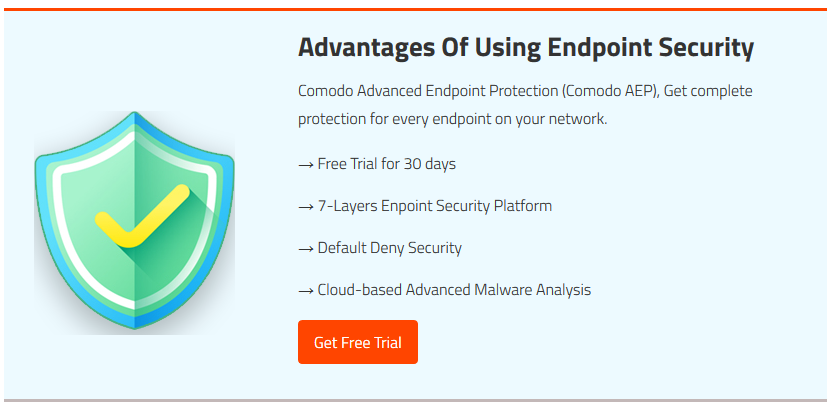
What Is Malicious Software Different Types Of Malicious Software

Pin On Fight Malware


Comments
Post a Comment